Question 31: The phrase “reap what we sow” in paragraph 1 has the closest meaning to _________.
A. look at B. pay for C. give up D. carry on
Giải Thích: Cụm từ “reap what we sow” trong đoạn 1 có ý nghĩa gần nhất với từ nào?
A. look at – SAI – Đáp án này có nghĩa là nhìn vào. Cụm từ gốc mang tính nhân quả, hàm ý kết quả nhận được là do hành động trước đó gây ra, nên hành động quan sát đơn thuần không thể hiện được mối quan hệ tác động và gánh chịu hậu quả.
B. pay for – ĐÚNG – Đáp án này có nghĩa là trả giá cho. Trong ngữ cảnh "years of harming nature now put our future at risk", việc "gieo nhân nào gặt quả nấy" (reap what we sow) ám chỉ con người đang phải trả giá bằng những rủi ro cho tương lai do những sai lầm trong quá khứ đối với thiên nhiên.
C. give up – SAI – Đáp án này có nghĩa là từ bỏ. Nghĩa của câu đang nói về việc đối mặt với hệ quả của hành vi, không phải là việc dừng lại hay từ bỏ một nỗ lực nào đó, do đó phương án này không phù hợp với thông điệp cảnh báo của đoạn văn.
D. carry on – SAI – Đáp án này có nghĩa là tiếp tục. Tác giả đang muốn nhấn mạnh rằng những hành động phá hoại trong quá khứ đã dẫn đến tình trạng khủng hoảng hiện tại, mang sắc thái chịu trách nhiệm thay vì khuyến khích việc duy trì những thói quen cũ đó.
Question 32: All of the following environmental problems are mentioned EXCEPT _________.
A. Climate change
B. Loss of wildlife
C. Pollution
D. Ocean acidification
Giải Thích: Tất cả các vấn đề môi trường sau đây đều được đề cập NGOẠI TRỪ vấn đề nào?
A. Climate change – SAI – Đáp án này có nghĩa là biến đổi khí hậu. Đây là vấn đề được nhắc đến đầu tiên và xuyên suốt trong bài đọc, được coi là trung tâm của các cuộc thảo luận và báo cáo của Liên Hợp Quốc về các cuộc khủng hoảng toàn cầu.
B. Loss of wildlife – SAI – Đáp án này có nghĩa là mất mát động vật hoang dã. Trong đoạn 1, tác giả đã liệt kê "loss of wildlife" là một trong bốn vấn đề lớn được kết nối với nhau, và ở đoạn 2 cũng nhắc lại việc các loài biến mất (species disappearance).
C. Pollution – SAI – Đáp án này có nghĩa là ô nhiễm. Bài đọc cung cấp dữ liệu cụ thể rằng ô nhiễm giết chết khoảng 9 triệu người mỗi năm ("pollution kills approximately 9 million people each year"), do đó đây là thông tin có xuất hiện trong văn bản.
D. Ocean acidification – ĐÚNG – Đáp án này có nghĩa là axit hóa đại dương. Mặc dù đây là một vấn đề môi trường nghiêm trọng ngoài thực tế, nhưng trong phạm vi văn bản này, tác giả không hề liệt kê hay đề cập đến hiện tượng axit hóa đại dương trong danh sách các thảm họa.
Question 33: Where in the paragraph does the following sentence best fit?
These issues threaten our health, economy, food, water, and safety.
A. [I] B. [II] C. [III] D. [IV]
Giải Thích: Câu sau đây phù hợp nhất để chèn vào vị trí nào trong đoạn văn?
A. [I] – ĐÚNG – Đáp án này chỉ vị trí ngay sau câu liệt kê các vấn đề môi trường kết nối với nhau. Câu "These issues threaten our health, economy, food, water, and safety" đóng vai trò giải thích hệ quả trực tiếp của "Climate change, loss of wildlife, damaged land, and pollution" đối với đời sống con người.
B. [II] – SAI – Đáp án này chỉ vị trí sau dự đoán về nhiệt độ Trái Đất năm 2100. Vị trí này không phù hợp bằng [I] vì câu cần chèn mang tính tổng quát về các vấn đề đã nêu ở đầu bài, trong khi ngữ cảnh ở [II] đang tập trung sâu vào các hiện tượng thời tiết cực đoan cụ thể.
C. [III] – SAI – Đáp án này chỉ vị trí sau câu nói về hiệu quả kinh tế. Đoạn này đang chuyển sang thảo luận về tài chính và đầu tư ($$8 trillion yearly investment), nên việc chèn một câu về các mối đe dọa sức khỏe và an toàn vào đây sẽ làm đứt mạch logic về kinh tế học.
D. [IV] – SAI – Đáp án này chỉ vị trí trong đoạn nói về các vấn đề chính trị. Đoạn này tập trung vào sự hợp tác quốc tế và vai trò của các nhà lãnh đạo, do đó một câu liệt kê các tác động vật lý của môi trường sẽ không hòa nhập tốt với nội dung về quan hệ ngoại giao.
Question 34: The word “aggravates” in paragraph 2 is OPPOSITE in meaning to _________.
A. worsens B. increases C. improves D. damages
Giải Thích: Từ “aggravates” trong đoạn 2 có nghĩa trái ngược với từ nào?
A. worsens – SAI – Đáp án này có nghĩa là làm tồi tệ thêm. Đây là từ đồng nghĩa của "aggravates" trong ngữ cảnh "Climate change aggravates land problems", mô tả việc biến đổi khí hậu làm trầm trọng hơn các vấn đề về đất đai, nên không thể là từ trái nghĩa.
B. increases – SAI – Đáp án này có nghĩa là làm gia tăng. Tương tự như worsens, "aggravates" mang ý nghĩa gia tăng mức độ nghiêm trọng của một tình trạng tiêu cực sẵn có, vì vậy "increases" phản ánh cùng một xu hướng phát triển về cường độ của vấn đề.
C. improves – ĐÚNG – Đáp án này có nghĩa là cải thiện hoặc làm cho tốt hơn. Vì "aggravates" được dùng để chỉ hành động làm cho một tình huống xấu trở nên tồi tệ hơn, nên hành động làm cho tình huống đó chuyển biến tích cực (improve) chính là sự đối lập hoàn hảo.
D. damages – SAI – Đáp án này có nghĩa là gây hại hoặc làm hư hỏng. Từ này nằm cùng nhóm nghĩa tiêu cực với từ gốc, mô tả sự tác động có hại lên môi trường, do đó nó không thể hiện được ý nghĩa ngược lại mà câu hỏi yêu cầu tìm kiếm.
Question 35: Which of the following best summarises paragraph 3?
A. Environmental investment requires substantial upfront costs but will generate increasing economic returns over time, and GDP is insufficient for measuring sustainable progress.
B. Achieving environmental goals demands significant financial resources immediately, though future economic benefits may eventually compensate for current expenditures and investments.
C. Countries must invest heavily in environmental protection regardless of costs, as GDP measurements accurately reflect the long-term economic value of sustainable development.
D. Environmental transformation is economically impractical due to high investment requirements, but countries should still prioritize GDP growth alongside their sustainability objectives.
Giải Thích: Câu nào sau đây tóm tắt tốt nhất nội dung đoạn 3?
A. Environmental investment requires substantial upfront costs but will generate increasing economic returns over time, and GDP is insufficient for measuring sustainable progress. – ĐÚNG – Đáp án này tóm gọn cả hai ý chính của đoạn: đầu tư môi trường tốn kém ban đầu nhưng sinh lời lớn trong tương lai ($$100 trillion) và lời khuyên của Bob Watson về việc thay thế thước đo GDP truyền thống.
B. Achieving environmental goals demands significant financial resources immediately, though future economic benefits may eventually compensate for current expenditures and investments. – SAI – Đáp án này có nghĩa là việc đạt mục tiêu môi trường cần tài chính ngay lập tức, mặc dù lợi ích tương lai có thể bù đắp chi phí. Câu này thiếu mất ý quan trọng về việc phê bình chỉ số GDP được nhắc đến ở cuối đoạn 3.
C. Countries must invest heavily in environmental protection regardless of costs, as GDP measurements accurately reflect the long-term economic value of sustainable development. – SAI – Đáp án này khẳng định GDP phản ánh chính xác giá trị kinh tế. Điều này hoàn toàn trái ngược với văn bản, nơi Bob Watson nói rằng các quốc gia nên ngừng dùng chỉ GDP vì nó không cho thấy sự bền vững.
D. Environmental transformation is economically impractical due to high investment requirements, but countries should still prioritize GDP growth alongside their sustainability objectives. – SAI – Đáp án này cho rằng biến đổi môi trường là không thực tế về kinh tế. Thực tế bài viết khẳng định nó "makes economic sense" (có ý nghĩa kinh tế) và cho thấy lợi nhuận khổng lồ vào năm 2070.
Question 36: The word “it” in paragraph 3 refers to _________.
A. success B. growth C. the environment D. GDP
Giải Thích: Từ “it” trong đoạn 3 ám chỉ điều gì?
A. success – SAI – Đáp án này có nghĩa là sự thành công. Mặc dù "success" xuất hiện trong câu, nhưng "it" là chủ ngữ của mệnh đề quan hệ "doesn't show whether growth is sustainable", chỉ một công cụ đo lường chứ không phải là bản thân kết quả thành công.
B. growth – SAI – Đáp án này có nghĩa là sự tăng trưởng. "Growth" chính là đối tượng bị đánh giá bởi "it". Nếu thay "growth" vào vị trí của "it", câu sẽ trở nên vô nghĩa khi nói rằng "tăng trưởng không cho thấy liệu tăng trưởng có bền vững hay không".
C. the environment – SAI – Đáp án này có nghĩa là môi trường. Môi trường là thực thể bị tác động (harms the environment), không phải là công cụ đo lường hay chỉ số kinh tế mà các quốc gia sử dụng để đánh giá mức độ thịnh vượng được đề cập trong ngữ cảnh này.
D. GDP – ĐÚNG – Đáp án này có nghĩa là tổng sản phẩm quốc nội. Trong câu "countries should stop using only GDP to measure success because it doesn't show...", từ "it" thay thế cho "GDP" để giải thích lý do tại sao chỉ số này không đủ khả năng phản ánh tính bền vững của sự phát triển.
Question 37: Which of the following best paraphrases the underlined sentence in paragraph 4?
A. According to Hayhoe, environmental emergencies must be resolved before addressing climate-related challenges effectively.
B. Hayhoe suggests that climate solutions require simultaneous actions on all environmental crises to achieve success.
C. Hayhoe argues that addressing climate issues contributes to resolving other environmental crises as well.
D. Hayhoe believes climate problems and environmental emergencies need separate solutions for maximum effectiveness.
Giải Thích: Câu nào sau đây diễn đạt lại tốt nhất câu được gạch chân trong đoạn 4?
A. According to Hayhoe, environmental emergencies must be resolved before addressing climate-related challenges effectively. – SAI – Đáp án này có nghĩa là các khẩn cấp môi trường phải được giải quyết trước. Câu gốc nói rằng việc sửa chữa vấn đề khí hậu giúp (helps) giải quyết các vấn đề khác, tức là khí hậu là đòn bẩy chứ không phải là bước sau.
B. Hayhoe suggests that climate solutions require simultaneous actions on all environmental crises to achieve success. – SAI – Đáp án này có nghĩa là giải pháp khí hậu yêu cầu hành động đồng thời trên mọi cuộc khủng hoảng. Dù nghe có vẻ hợp lý nhưng không sát với ý của Hayhoe về mối quan hệ nhân quả: giải quyết khí hậu dẫn đến giải quyết các việc khác.
C. Hayhoe argues that addressing climate issues contributes to resolving other environmental crises as well. – ĐÚNG – Đáp án này có nghĩa là Hayhoe lập luận rằng giải quyết vấn đề khí hậu cũng góp phần giải quyết các cuộc khủng hoảng môi trường khác. Đây là bản diễn đạt lại trung thành nhất với cụm "fixing climate problems helps solve other environmental emergencies".
D. Hayhoe believes climate problems and environmental emergencies need separate solutions for maximum effectiveness. – SAI – Đáp án này cho rằng cần các giải pháp riêng biệt. Điều này trái ngược với quan điểm về sự kết nối và tương hỗ giữa các vấn đề môi trường mà bài đọc đang cố gắng nhấn mạnh ngay từ đoạn đầu tiên.
Question 38: Which of the following is TRUE according to the passage?
A. The predicted global temperature increase by 2100 will remain within the Paris Agreement's targeted limit.
B. Environmental investments will generate immediate economic returns that exceed their costs from the beginning of implementation.
C. The economic benefits of environmental transformation will surpass investment costs starting approximately around 2050.
D. International cooperation on environmental issues has strengthened significantly despite political challenges in recent years.
Giải Thích: Điều nào sau đây là đúng theo đoạn văn?
A. The predicted global temperature increase by 2100 will remain within the Paris Agreement's targeted limit. – SAI – Đáp án này nói nhiệt độ sẽ nằm trong giới hạn Hiệp định Paris. Bài viết nêu rõ dự đoán là 2.4°C, "much higher than the 1.5°C Paris Agreement goal", nghĩa là vượt xa giới hạn mục tiêu.
B. Environmental investments will generate immediate economic returns that exceed their costs from the beginning of implementation. – SAI – Đáp án này nói đầu tư môi trường sinh lời ngay lập tức vượt chi phí. Văn bản chỉ ra rằng lợi nhuận sẽ vượt chi phí vào khoảng năm 2050 ("around 2050, the good results will be worth more than the costs"), không phải ngay từ đầu.
C. The economic benefits of environmental transformation will surpass investment costs starting approximately around 2050. – ĐÚNG – Đáp án này có nghĩa là lợi ích kinh tế sẽ vượt chi phí đầu tư bắt đầu từ khoảng năm 2050. Dẫn chứng "around 2050, the good results will be worth more than the costs" trong đoạn 3 xác nhận chính xác mốc thời gian này.
D. International cooperation on environmental issues has strengthened significantly despite political challenges in recent years. – SAI – Đáp án này nói hợp tác quốc tế được tăng cường mạnh mẽ. Tuy nhiên, đoạn 4 khẳng định "International cooperation is getting weaker", đặc biệt là với việc Hoa Kỳ rời bỏ các hiệp định quan trọng.
Question 39: Which of the following can be inferred from the passage?
A. Previous environmental strategies have successfully addressed multiple ecological crises through comprehensive integrated approaches.
B. The Paris Agreement's temperature targets will likely be achieved given current international commitment levels.
C. Current fragmented approaches to environmental problems have proven insufficient and require fundamental systemic changes.
D. Economic costs of environmental action will permanently outweigh financial benefits throughout the entire transition period.
Giải Thích: Điều nào sau đây có thể được suy ra từ đoạn văn?
A. Previous environmental strategies have successfully addressed multiple ecological crises through comprehensive integrated approaches. – SAI – Đáp án này cho rằng các chiến lược trước đây đã thành công. Thực tế, đoạn 1 ghi "past efforts have been too separated and not enough", nghĩa là chúng bị chia cắt và không đủ hiệu quả để giải quyết khủng hoảng.
B. The Paris Agreement's temperature targets will likely be achieved given current international commitment levels. – SAI – Đáp án này cho rằng mục tiêu nhiệt độ sẽ đạt được. Dựa trên dự báo 2.4°C so với mục tiêu 1.5°C và tình hình hợp tác quốc tế đang yếu đi, có thể suy ra mục tiêu này rất khó đạt được nếu không có thay đổi lớn.
C. Current fragmented approaches to environmental problems have proven insufficient and require fundamental systemic changes. – ĐÚNG – Đáp án này suy ra rằng các phương pháp rời rạc hiện tại là không đủ và cần thay đổi hệ thống. Điều này hợp lý vì bài báo kêu gọi "unified action" và chuyển sang "circular economy", phản đối cách làm "too separated" trong quá khứ.
D. Economic costs of environmental action will permanently outweigh financial benefits throughout the entire transition period. – SAI – Đáp án này cho rằng chi phí sẽ vĩnh viễn lớn hơn lợi ích. Bài viết đã bác bỏ điều này bằng các con số dự báo về lợi nhuận khổng lồ lên tới $$100 nghìn tỷ trong dài hạn, vượt xa mức đầu tư $$8 nghìn tỷ hàng năm.
Question 40: Which of the following best summarises the passage?
A. Despite overwhelming scientific consensus on environmental crises, lack of political will and inadequate funding prevent meaningful progress toward sustainability goals worldwide.
B. Interconnected environmental crises demand urgent integrated solutions and global cooperation, offering long-term economic benefits despite initial costs and current political obstacles.
C. Environmental problems have worsened primarily due to excessive focus on economic growth, requiring immediate abandonment of GDP measurements and fossil fuel industries.
D. While climate agreements have failed to reduce emissions significantly, technological innovations and circular economy models will automatically resolve environmental emergencies by 2050.
Giải Thích: Câu nào sau đây tóm tắt tốt nhất toàn bộ đoạn văn?
A. Despite overwhelming scientific consensus on environmental crises, lack of political will and inadequate funding prevent meaningful progress toward sustainability goals worldwide. – SAI – Đáp án này tập trung quá nhiều vào sự bế tắc do thiếu tiền và ý chí chính trị, trong khi bài đọc vẫn đưa ra những giải pháp kinh tế và những tia hy vọng từ các nhà khoa học về khả năng thay đổi.
B. Interconnected environmental crises demand urgent integrated solutions and global cooperation, offering long-term economic benefits despite initial costs and current political obstacles. – ĐÚNG – Đáp án này bao quát toàn diện: tính kết nối của khủng hoảng (đoạn 1), sự cần thiết của hợp tác và giải pháp tích hợp, lợi ích kinh tế dài hạn (đoạn 3) và các rào cản chính trị hiện tại (đoạn 4).
C. Environmental problems have worsened primarily due to excessive focus on economic growth, requiring immediate abandonment of GDP measurements and fossil fuel industries. – SAI – Đáp án này hơi cực đoan khi yêu cầu "từ bỏ ngay lập tức" GDP và hóa thạch. Bài viết chỉ gợi ý ngừng dùng "chỉ GDP" (only GDP) và nhắc đến việc các nhà lãnh đạo nên chọn điều đúng thay vì điều dễ làm.
D. While climate agreements have failed to reduce emissions significantly, technological innovations and circular economy models will automatically resolve environmental emergencies by 2050. – SAI – Đáp án này cho rằng công nghệ sẽ "tự động" giải quyết vấn đề vào năm 2050. Bài viết nhấn mạnh cần sự nỗ lực chung của tất cả mọi người và thời gian đang cạn dần, chứ không phải một sự giải quyết tự động.
BẢNG TẠM DỊCH SONG NGỮ
|
English
|
Tiếng Việt
|
|
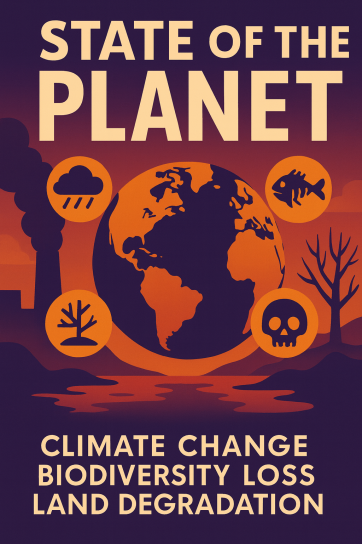
A major United Nations report by nearly 300 scientists from 83 countries shows humanity faces serious environmental problems. Climate change, loss of wildlife, damaged land, and pollution are all connected and make each other worse. Scientists say past efforts have been too separated and not enough. As the old saying goes, we reap what we sow—years of harming nature now put our future at risk. The report suggests moving to a circular economy that respects nature's limits. We need everyone working together: governments, businesses, banks, industries, and ordinary people.
|
Một báo cáo quan trọng của Liên Hợp Quốc do gần 300 nhà khoa học từ 83 quốc gia thực hiện cho thấy nhân loại đang đối mặt với những vấn đề môi trường nghiêm trọng. Biến đổi khí hậu, mất mát động vật hoang dã, đất đai bị hủy hoại và ô nhiễm đều có mối liên hệ mật thiết và làm cho nhau trở nên tồi tệ hơn. Các nhà khoa học cho rằng những nỗ lực trong quá khứ còn quá rời rạc và chưa đủ. Như câu nói xưa vẫn thường bảo, gieo nhân nào gặt quả nấy—nhiều năm gây hại cho thiên nhiên giờ đây đang đặt tương lai của chúng ta vào tình thế nguy hiểm. Bản báo cáo đề xuất chuyển dịch sang một nền kinh tế tuần hoàn tôn trọng các giới hạn của tự nhiên. Chúng ta cần mọi người cùng nhau hành động: từ chính phủ, doanh nghiệp, ngân hàng, các ngành công nghiệp cho đến những người dân bình thường.
|
|
Current situations are very worrying. Gases that trap heat reached record levels in 2024, even after many climate meetings. Scientists predict Earth will warm about 2.4°C above past temperatures by 2100, much higher than the 1.5°C Paris Agreement goal. This means more extreme weather, dry periods, heat waves, and wildfires. Already, 40% of the world's land is damaged, and pollution kills approximately 9 million people each year. Climate change aggravates land problems, forest loss, and species disappearance.
|
Tình hình hiện tại đang rất đáng lo ngại. Các loại khí gây hiệu ứng nhà kính đã chạm mức kỷ lục vào năm 2024, ngay cả sau nhiều hội nghị về khí hậu. Các nhà khoa học dự báo Trái Đất sẽ nóng lên khoảng 2,4°C so với mức nhiệt độ trong quá khứ vào năm 2100, cao hơn nhiều so với mục tiêu 1,5°C của Hiệp định Paris. Điều này đồng nghĩa với việc sẽ có nhiều hiện tượng thời tiết cực đoan, các giai đoạn khô hạn, sóng nhiệt và cháy rừng hơn. Hiện tại, 40% diện tích đất trên thế giới đã bị hủy hoại và ô nhiễm giết chết khoảng 9 triệu người mỗi năm. Biến đổi khí hậu làm trầm trọng thêm các vấn đề về đất đai, mất rừng và sự biến mất của các loài sinh vật.
|
|
Although changing everything costs money, it makes economic sense. Reaching zero emissions and saving nature needs about 8 trillion yearly investment. However, around 2050, the good results will be worth more than the costs, growing to 20 trillion per year by 2070 and possibly 100 trillion later. Lead scientist Bob Watson says countries should stop using only GDP to measure success because it doesn't show whether growth is sustainable or harms the environment.
|
Mặc dù việc thay đổi mọi thứ đều tốn kém tiền bạc, nhưng điều đó lại hợp lý về mặt kinh tế. Việc đạt được mức phát thải ròng bằng không và cứu lấy thiên nhiên cần khoản đầu tư khoảng 8 nghìn tỷ mỗi năm. Tuy nhiên, vào khoảng năm 2050, những kết quả tốt đẹp mang lại sẽ có giá trị lớn hơn chi phí bỏ ra, tăng lên mức 20 nghìn tỷ mỗi năm vào năm 2070 và có thể đạt 100 nghìn tỷ sau đó. Nhà khoa học trưởng Bob Watson cho rằng các quốc gia nên ngừng chỉ sử dụng chỉ số GDP để đo lường thành công vì nó không cho thấy liệu sự tăng trưởng đó có bền vững hay đang gây hại cho môi trường.
|
|
Political problems remain significant. International cooperation is getting weaker when we need it most. The United States left important agreements, supported fossil fuels, and rejected scientific findings. Still, scientists have some hope. Climate researcher Katharine Hayhoe says fixing climate problems helps solve other environmental emergencies. Michael Mann believes leaders must choose what is right instead of what is politically easy because the risks are huge. Change is still possible, but time is running out quickly.
|
Các vấn đề chính trị vẫn còn rất đáng kể. Sự hợp tác quốc tế đang trở nên yếu đi đúng vào lúc chúng ta cần nó nhất. Hoa Kỳ đã rời bỏ các thỏa thuận quan trọng, ủng hộ nhiên liệu hóa thạch và bác bỏ các phát hiện khoa học. Tuy nhiên, các nhà khoa học vẫn nuôi dưỡng một số hy vọng. Nhà nghiên cứu khí hậu Katharine Hayhoe cho biết việc khắc phục các vấn đề khí hậu sẽ giúp giải quyết các tình trạng khẩn cấp về môi trường khác. Michael Mann tin rằng các nhà lãnh đạo phải lựa chọn điều đúng đắn thay vì những điều dễ dàng về mặt chính trị bởi vì rủi ro là cực kỳ lớn. Thay đổi vẫn là điều có thể, nhưng thời gian đang cạn dần một cách nhanh chóng.
|