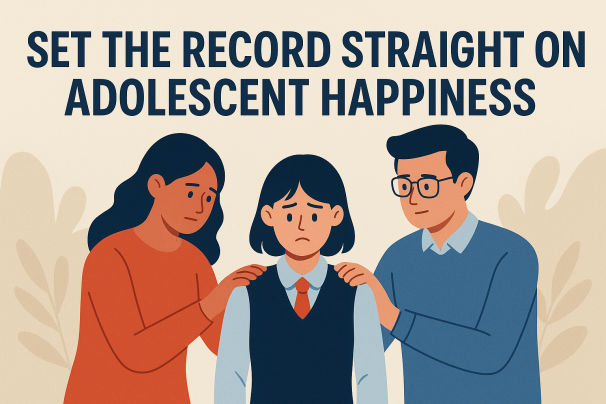
Question 31: The phrase “set the record straight” in paragraph 1 has the closest meaning to _________.
A. put off B. make out C. clear up D. straighten out
Giải Thích: Cụm từ “set the record straight” ở đoạn 1 có nghĩa gần nhất với _________.
A. put off – SAI– “Put off” nghĩa là trì hoãn hoặc làm cho ai mất hứng. Cụm này hoàn toàn không liên quan đến việc sửa chữa hoặc làm rõ thông tin sai lệch, vốn là ý nghĩa của “set the record straight”. Nếu thay vào câu gốc, “We must put off about what genuinely influences adolescent happiness” sẽ hoàn toàn vô nghĩa. Xét về ngữ nghĩa, nó không truyền đạt được ý “đính chính”, “làm rõ”, hay “chỉnh lại nhận thức sai”, nên phương án này không phù hợp. Đây là dạng nhiễu do cụm động từ phổ biến nhưng không liên quan.
B. make out – SAI– “Make out” có nhiều nghĩa nhưng phổ biến nhất là “nhận ra”, “hiểu được”, hoặc trong một số ngữ cảnh là “hôn”. Không nghĩa nào tương đương với “set the record straight”. Khi dùng trong văn học thuật, “make out” thường không hợp phong cách vì thiếu tính trang trọng. Nếu áp dụng vào câu gốc, ý nghĩa sẽ lệch hoàn toàn: nó không mang hàm ý “sửa sai”, “làm rõ sự thật”. Đây là đáp án gây nhiễu vì thuộc nhóm phrasal verbs nhưng không tương thích với mạch lập luận của đoạn văn.
C. clear up – SAI– “Clear up” có nghĩa là làm sáng tỏ, giải quyết điều gì trở nên dễ hiểu hơn. Tuy nghĩa này gần hơn với “set the record straight” so với A và B, nhưng nó vẫn KHÔNG hoàn toàn chính xác trong ngữ cảnh. “Clear up” thiên về giải thích giúp người khác hiểu rõ hơn, trong khi “set the record straight” mang nghĩa mạnh hơn: chỉnh lại những hiểu lầm hoặc thông tin sai lệch đã tồn tại. Cụm gốc hàm ý sửa chữa giả định sai phổ biến, điều mà “clear up” không truyền tải trọn vẹn. Do thiếu tính nhấn mạnh, C không phải lựa chọn tốt nhất.
D. straighten out – ĐÚNG– “Straighten out” có nghĩa là giải quyết, sắp xếp lại cho đúng, hoặc làm rõ một hiểu lầm – nghĩa này tương thích rất sát với “set the record straight”. Trong ngữ cảnh đoạn văn, tác giả nói rằng có nhiều quan niệm sai lầm về việc điều gì ảnh hưởng đến hạnh phúc của học sinh, và chúng ta cần “set the record straight”—tức cần “straighten out” những sai lệch đó. Cả hai cụm đều mang sắc thái sửa sai, điều chỉnh lại sự thật bị hiểu lầm, chứ không chỉ đơn thuần “làm rõ”. Về sắc thái học thuật, “straighten out” phù hợp và giữ nguyên tinh thần của câu gốc. Đây là đáp án duy nhất diễn đạt đúng mức độ và ý nghĩa của thành ngữ.
Question 32: According to the passage, which element is NOT specifically mentioned regarding student well-being?
A. Bullying experiences and peer relationships at school
B. Teacher support and equitable discipline policies
C. Students' socioeconomic background and family income level
D. Emotional safety and secure school environments
Giải Thích: Theo đoạn văn, yếu tố nào KHÔNG được đề cập cụ thể liên quan đến phúc lợi của học sinh?
A. Bullying experiences and peer relationships at school – SAI– Trong đoạn 2, bài viết nói rất rõ về “positive relationships with parents and teachers” và “school climate”, trong đó bao gồm khích lệ, kỷ luật công bằng và môi trường an toàn. Mặc dù từ “bullying experiences” không được nhắc trực tiếp trong bài, nhưng nội dung đoạn 2 có hàm ý về môi trường an toàn và công bằng – những điều được nhắc đến phổ biến trong ngữ cảnh chống bắt nạt. Tuy nhiên, vì câu hỏi chỉ cần “được đề cập cụ thể”, ở đây “peer relationships” và “school climate” đều hiện diện một cách trực tiếp. “Peer relationships” thuộc phạm vi “students feeling supported”, và “secure school environments” bao gồm cả chống bắt nạt. Do đó, A vẫn được xem là có liên quan và không phải yếu tố bị bỏ sót.
B. Teacher support and equitable discipline policies – SAI– Đây là thông tin được đề cập rất trực tiếp. Đoạn 2 nêu: “Positive relationships with parents and teachers substantially enhance their life satisfaction” và “school climate, including teacher encouragement and equitable discipline policies.” Như vậy, bài viết nói rõ cả “teacher support” và “equitable discipline policies”, nghĩa là đáp án B chắc chắn đã xuất hiện. Do đó, B không thể là lựa chọn cho “NOT MENTIONED”.
C. Students' socioeconomic background and family income level – ĐÚNG– Đây là yếu tố duy nhất không xuất hiện trong toàn bộ bài đọc. Không có câu nào nói về thu nhập gia đình, nền tảng kinh tế – xã hội, hay điều kiện sống của học sinh. Toàn bộ đoạn văn tập trung vào yếu tố tinh thần: quan hệ, khí hậu trường học, sự khích lệ, công bằng, sự hỗ trợ. Các yếu tố xã hội học như “family income level” hoàn toàn không xuất hiện. Đây là đáp án phù hợp với yêu cầu “NOT SPECIFICALLY MENTIONED”.
D. Emotional safety and secure school environments – SAI– Đoạn 2 nêu rất rõ rằng công bằng trong kỷ luật và môi trường hỗ trợ tạo ra “secure environments where adolescents flourish.” Điều này cho thấy yếu tố “emotional safety” và “secure school environments” được đề cập trực tiếp. Như vậy, D đã xuất hiện, không phải yếu tố bị bỏ sót.
Question 33: Where in the paragraph does the following sentence best fit?
Additionally, bullying experiences severely damage adolescent mental health.
A. [I] B. [II] C. [III] D. [IV]
Giải Thích: Câu sau đây phù hợp nhất ở vị trí nào trong đoạn văn?
A. [I] – SAI– Vị trí [I] nằm ở cuối đoạn 1. Đoạn 1 tập trung vào:
• thống kê hài lòng cuộc sống ở học sinh OECD
• sự khác biệt giữa các quốc gia
• sự lan rộng của lo âu liên quan đến trường học
Nếu đặt câu về bullying ngay sau đó sẽ khiến đoạn văn bị lệch hướng vì đoạn 1 chưa bắt đầu bàn về môi trường trường học hoặc mối quan hệ. “Bullying experiences” không liên quan trực tiếp đến chủ đề mà đoạn 1 đang triển khai — vốn chỉ là bối cảnh và số liệu. Việc nhảy sang “bullying” quá đột ngột, thiếu cầu nối logic. Vì vậy, A không phù hợp về mặt coherence.
B. [II] – ĐÚNG– Đây là vị trí hợp lý nhất. Đoạn 2 đang nói về:
• quan hệ tích cực với cha mẹ và giáo viên
• khí hậu trường học
• chính sách kỷ luật công bằng
• tầm quan trọng của môi trường an toàn và được hỗ trợ
Ngay sau câu “These interpersonal bonds matter considerably more than academics exclusively” chính là chỗ trống [II]. Đây là vị trí hoàn hảo để bổ sung thông tin tiêu cực đối lập với “positive relationships”. Nhắc đến “bullying experiences” làm nổi bật rằng khi môi trường trường học không an toàn, học sinh sẽ bị tổn hại nghiêm trọng về tinh thần. Nó phù hợp với chủ đề “school climate” và “secure environments where adolescents flourish”. Vì vậy, vị trí [II] đảm bảo liên kết logic tốt nhất và tăng cường lập luận của đoạn.
C. [III] – SAI– Vị trí [III] nằm trong đoạn 3 — đoạn bàn về “myths”, “time spent studying”, “frequent testing”, và sự thiếu liên hệ giữa áp lực học tập và hạnh phúc. Đoạn này hoàn toàn tập trung vào yếu tố học thuật, không phải yếu tố xã hội hoặc môi trường học đường. Chèn câu về bullying ở đây sẽ phá vỡ mạch lập luận của đoạn văn và gây nhiễu chủ đề.
D. [IV] – SAI– Vị trí [IV] nằm trong đoạn 4 — đoạn nói về sự cần thiết của một cách tiếp cận toàn diện, đặt trọng tâm vào mối quan hệ, công bằng và an toàn cảm xúc. Tuy đoạn này có liên quan đến emotional safety, nhưng [IV] nằm ở cuối đoạn, nơi đang tổng kết luận điểm. Thêm câu về bullying vào chỗ tổng kết sẽ làm đoạn văn mất tính kết thúc và tạo cảm giác lạc đề vì nó mở ra một vấn đề mới thay vì đóng lại lập luận. Vì vậy, D không hợp lý.
Question 34: The word “their” in paragraph 2 refers to _________.
A. students B. parents and teachers C. schools D. PISA researchers
Giải Thích: Từ “their” trong đoạn 2 đề cập đến _________.
A. students – ĐÚNG– Đây là đối tượng được nói đến xuyên suốt đoạn 2. Ngay mở đầu đoạn, tác giả viết: “The PISA 2015 investigation identifies several essential elements affecting student well-being.” Sau đó, câu chứa đại từ “their” mô tả rằng các mối quan hệ tích cực với cha mẹ và giáo viên “substantially enhance their life satisfaction”. Theo logic ngữ pháp, “relationships with parents and teachers” là yếu tố tác động đến ai? Chính là students. Không thể hiểu rằng mối quan hệ với cha mẹ và giáo viên lại làm tăng sự hài lòng của chính cha mẹ và giáo viên — mà là làm tăng sự hài lòng của học sinh. Vì vậy, “their” tất yếu chỉ đến “students”. Đây là mạch văn hoàn chỉnh, đảm bảo coherence và clarity.
B. parents and teachers – SAI– Phương án này sai vì câu văn nói rằng “mối quan hệ với cha mẹ và giáo viên” giúp nâng cao “their life satisfaction”. Về logic, chủ thể được hưởng lợi không thể là chính người tạo ra mối quan hệ (cha mẹ, giáo viên), mà phải là học sinh. Tức là cha mẹ và giáo viên không thể “tự nâng cao sự hài lòng cuộc sống” chỉ qua mối quan hệ với… chính họ. Về ngữ pháp, “parents and teachers” không thể là đối tượng phù hợp để đại từ sở hữu “their” chiếu về trong cấu trúc này.
C. schools – SAI– “Schools” không liên quan về mặt ngữ nghĩa với “life satisfaction”, vì trường học không có sự hài lòng cá nhân như một chủ thể con người. Cụm “life satisfaction” chỉ áp dụng cho con người hoặc nhóm cá nhân, không thể dùng cho tổ chức. Hơn nữa, đoạn văn không hề nói đến việc trường học có “life satisfaction”; thay vào đó, trường học chỉ là môi trường giúp học sinh phát triển. Vì vậy, phương án này không logic và bị loại.
D. PISA researchers – SAI– Đây là phương án gây nhiễu, vì PISA được nhắc đến đầu đoạn, nhưng “researchers” không phải đối tượng được lợi từ “positive relationships with parents and teachers”. Hơn nữa, PISA researchers không có “life satisfaction” liên quan đến mối quan hệ gia đình–nhà trường của học sinh. Đại từ “their” không thể quy chiếu xa như vậy, vì nguyên tắc proximity (đại từ thường chỉ về danh từ gần nhất phù hợp về nghĩa). Do đó, đáp án này không hợp lý.
Question 35: Which of the following best summarises paragraph 3?
A. Excessive academic pressure directly causes severe mental health problems among adolescents in high-performing countries worldwide.
B. Increasing study hours and frequent testing significantly reduce student anxiety and improve satisfaction levels substantially.
C. High-performing countries consistently demonstrate lower student satisfaction rates because they prioritize academic excellence above all else.
D. Research reveals that academic intensity does not determine student well-being, and successful nations prove that achievement and happiness can coexist harmoniously.
Giải Thích: Câu nào sau đây tóm tắt đúng nhất đoạn 3?
A. Áp lực học tập quá mức trực tiếp gây ra các vấn đề sức khỏe tâm thần nghiêm trọng ở thanh thiếu niên tại các quốc gia có thành tích cao trên toàn thế giới.
B. Việc tăng giờ học và kiểm tra thường xuyên giúp giảm đáng kể sự lo lắng của học sinh và cải thiện đáng kể mức độ hài lòng.
C. Các quốc gia có thành tích cao luôn có tỷ lệ hài lòng của học sinh thấp hơn vì họ ưu tiên sự xuất sắc trong học tập hơn tất cả.
D. Nghiên cứu cho thấy cường độ học tập không quyết định hạnh phúc của học sinh, và các quốc gia thành công chứng minh rằng thành tích và hạnh phúc có thể cùng tồn tại một cách hài hòa.
A. Excessive academic pressure directly causes severe mental health problems among adolescents in high-performing countries worldwide. – SAI– Đáp án này hoàn toàn trái với nội dung đoạn 3. Đoạn văn KHÔNG nói rằng áp lực học tập cao “directly causes” vấn đề sức khỏe tâm thần. Thậm chí nó khẳng định điều ngược lại: “Research completely debunks popular myths… the quantity of time spent studying displays no meaningful correlation with life satisfaction.” Mô tả “high-performing countries worldwide” cũng sai vì đoạn 3 chỉ đưa ra ví dụ ba nước: Finland, Netherlands, Switzerland. Đáp án A thêm nội dung không có trong bài và bóp méo ý bài thành mối quan hệ nhân quả không hề được nêu ra.
B. Increasing study hours and frequent testing significantly reduce student anxiety and improve satisfaction levels substantially. – SAI– Đây là câu sai hoàn toàn vì đảo ngược ý của nghiên cứu. Đoạn 3 KHÔNG nói rằng học nhiều giờ và kiểm tra nhiều sẽ cải thiện sự hài lòng; ngược lại, nó nói rằng “frequent testing does not necessarily intensify anxiety” và “time spent studying displays no meaningful correlation with satisfaction.” Đáp án B không chỉ sai mà còn mâu thuẫn trực tiếp với mọi số liệu đoạn 3. Đây là dạng nhiễu đảo ngữ để đánh lừa thí sinh.
C. High-performing countries consistently demonstrate lower student satisfaction rates because they prioritize academic excellence above all else. – SAI– Đáp án này xuyên tạc nội dung. Đoạn văn KHÔNG nói rằng các quốc gia thành tích cao “luôn” có mức độ hài lòng thấp, cũng không nói rằng họ “prioritize academics above all else”. Ngược lại, đoạn 3 nêu hai nhóm quốc gia:
• một số nước điểm cao nhưng học sinh ít hài lòng
• các nước như Phần Lan, Hà Lan, Thụy Sĩ vừa đạt thành tích cao vừa có hạnh phúc học sinh
Vì vậy, chữ “consistently” và “above all else” là tuyệt đối hóa thông tin không xuất hiện trong bài. C sai cả logic và chi tiết.
D. Research reveals that academic intensity does not determine student well-being, and successful nations prove that achievement and happiness can coexist harmoniously. – ĐÚNG– Đây là đáp án duy nhất bao quát đầy đủ 2 luận điểm chính của đoạn 3:
• học nhiều hay kiểm tra nhiều KHÔNG quyết định hạnh phúc (“does not determine well-being”)
• các quốc gia như Finland, Netherlands, Switzerland chứng minh rằng thành tích và hạnh phúc có thể song hành (“achievement and happiness can coexist”)
Câu này truyền đạt đúng tinh thần đoạn văn: phá bỏ quan niệm sai, nhấn mạnh sự cân bằng có thể đạt được. Không thêm, không bớt, không bóp méo.
Question 36: The word “debunks” in paragraph 3 is OPPOSITE in meaning to _________.
A. undermines B. disputes C. confirms D. challenges
Giải Thích: Từ “debunks” ở đoạn 3 trái nghĩa với _________.
A. undermines – SAI– “Undermines” nghĩa là làm suy yếu, phá hoại giá trị hoặc uy tín của một điều gì đó. Đây không phải đối lập với “debunks”. Trái lại, “debunks” và “undermines” đôi khi còn gần nghĩa, vì cả hai đều có thể làm giảm độ tin cậy của một quan niệm hay lập luận. Nếu một nghiên cứu “debunks a myth”, nó cũng gián tiếp “undermines” niềm tin đó. Như vậy, A không thể là antonym vì nó không mang nghĩa xác nhận điều sai thành đúng, mà lại thiên về làm yếu đi, vốn không trái ngược với việc vạch trần sự thật.
B. disputes – SAI– “Disputes” nghĩa là tranh luận, phản đối, không đồng tình. Đây cũng là một từ gần nghĩa với “debunks”, vì cả hai đều biểu thị hành động thách thức một quan điểm. “Dispute a claim” không trái ngược mà còn tương đồng với “debunk a claim”. Do đó, B không thể là antonym, vì nó không mang nghĩa chứng thực hay xác nhận, mà tiếp tục mô tả sự phản bác. Từ này được xem là dạng nhiễu vì gần nghĩa, không phải trái nghĩa.
C. confirms – ĐÚNG– “Confirms” là từ đối lập trực tiếp và rõ ràng nhất với “debunks”. Nếu “debunk” nghĩa là bác bỏ một quan niệm sai bằng chứng, thì “confirm” nghĩa là xác nhận điều đó đúng bằng bằng chứng. Hai từ mang nghĩa đối nghịch trong cấu trúc logic: debunk = prove false; confirm = prove true. Trong ngữ cảnh đoạn văn, nghiên cứu “debunks myths”, tức là chứng minh các quan niệm sai lầm về học tập là không đúng. Từ trái nghĩa với hành động này phải là “confirms”, vì nó mang nghĩa củng cố hoặc chứng thực một niềm tin thay vì bác bỏ nó.
D. challenges – SAI– “Challenges” nghĩa là đặt nghi vấn, thách thức một quan điểm. Đây tiếp tục là một từ gần nghĩa với “debunks”, vì cả hai đều liên quan đến việc phản biện lại niềm tin phổ biến. “Challenge a belief” không phải là hành động ngược lại “debunk”, mà chỉ là bước đầu nghi ngờ. Ngược lại, “debunk” là chứng minh rõ ràng niềm tin đó là sai. Vì vậy “challenge” không thể là từ trái nghĩa, mà chỉ là một dạng phản đối nhẹ, gần nghĩa hơn là đối lập.
Question 37: Which of the following best paraphrases the underlined sentence in paragraph 4?
A. Schools must intentionally develop caring environments instead of perpetually escalating academic pressure and competitive intensity.
B. Schools should encourage supportive environments while also maintaining increasing levels of academic competition for better student achievement.
C. Schools need to create caring environments that complement the continuous escalation of academic competition and challenging standards.
D. Schools must ensure that supportive environments exist alongside relentlessly intensified academic competition for comprehensive student development.
Giải Thích: Câu nào sau đây diễn giải đúng nhất câu được gạch chân trong đoạn 4?
A. Nhà trường phải chủ động xây dựng môi trường quan tâm thay vì áp lực học tập và cường độ cạnh tranh liên tục gia tăng.
B. Nhà trường nên khuyến khích môi trường hỗ trợ đồng thời duy trì mức độ cạnh tranh học tập ngày càng tăng để học sinh đạt thành tích tốt hơn.
C. Nhà trường cần tạo ra môi trường quan tâm bổ sung cho sự gia tăng liên tục của cạnh tranh học tập và các tiêu chuẩn đầy thách thức.
D. Nhà trường phải đảm bảo rằng môi trường hỗ trợ tồn tại song song với sự cạnh tranh học tập ngày càng gay gắt để học sinh phát triển toàn diện.
A. Schools must intentionally develop caring environments instead of perpetually escalating academic pressure and competitive intensity. – ĐÚNG– Đây là phương án duy nhất diễn giải đầy đủ nghĩa, đúng sắc thái, và không thêm/bớt ý. Từ “intentionally develop caring environments” tương đương với “deliberately foster supportive environments”. Cụm “instead of perpetually escalating academic pressure and competitive intensity” cũng tương đương với “rather than continuously intensifying academic competition relentlessly”. Cả hai vế đều được giữ nguyên tinh thần: làm rõ sự đối lập giữa xây dựng môi trường hỗ trợ và không tăng áp lực học tập. Đây là paraphrase trọn vẹn, mạch lạc, và trung thực với câu gốc.
B. Schools should encourage supportive environments while also maintaining increasing levels of academic competition for better student achievement. – SAI– Đáp án này sai vì nó xóa bỏ tính đối lập giữa hai vế. Câu gốc nhấn mạnh “supportive environments” thay cho cạnh tranh học thuật tăng cao. Nhưng đáp án B lại nói “while also maintaining increasing levels of academic competition”, nghĩa là vừa hỗ trợ vừa tiếp tục tăng cạnh tranh. Điều này đi ngược với hoàn toàn thông điệp của câu gốc. Đây là dạng nhiễu đảo chiều.
C. Schools need to create caring environments that complement the continuous escalation of academic competition and challenging standards. – SAI– Câu này còn sai trầm trọng hơn vì nó diễn tả rằng môi trường hỗ trợ sẽ “bổ sung” cho sự gia tăng cạnh tranh học thuật. Câu gốc KHÔNG hề xem hai điều này bổ trợ cho nhau, mà xem chúng là hai hướng đi đối lập. Đáp án C làm sai mạch logic, đưa ra thông điệp trái với nội dung đoạn văn. Đây là một dạng nhiễu tinh vi vì “complement” tạo cảm giác học thuật nhưng lại sai hoàn toàn.
D. Schools must ensure that supportive environments exist alongside relentlessly intensified academic competition for comprehensive student development. – SAI– Đáp án này cũng sai vì nó mô tả rằng hai yếu tố “exist alongside” nhau, tức là phải song hành — trái ngược với câu gốc khẳng định rõ ràng rằng không nên tiếp tục tăng cạnh tranh. Cụm “relentlessly intensified academic competition” mô tả điều mà câu gốc đang phê phán. Đáp án D vì vậy phá vỡ ý của người viết và không thể là paraphrase đúng.
Question 38: Which of the following is TRUE according to the passage?
A. High-performing countries consistently achieve the strongest student satisfaction rates globally.
B. Research shows no meaningful correlation between study time and student life satisfaction.
C. Frequent testing substantially intensifies schoolwork anxiety among most adolescent students.
D. Student well-being is determined primarily by academic workload and competitive pressure.
Giải Thích: Theo đoạn văn, câu nào sau đây là ĐÚNG?
A. Các quốc gia có thành tích cao luôn đạt được tỷ lệ hài lòng của sinh viên cao nhất trên toàn cầu.
B. Nghiên cứu cho thấy không có mối tương quan có ý nghĩa giữa thời gian học tập và sự hài lòng trong cuộc sống của sinh viên.
C. Việc kiểm tra thường xuyên làm gia tăng đáng kể nỗi lo lắng về bài tập ở trường ở hầu hết học sinh vị thành niên.
D. Sức khỏe của học sinh chủ yếu được quyết định bởi khối lượng học tập và áp lực cạnh tranh.
A. High-performing countries consistently achieve the strongest student satisfaction rates globally. – SAI– Đoạn 3 nói điều ngược lại. Văn bản chỉ ra rằng “Some high-performing countries maintain relatively disappointing student satisfaction rates,” nghĩa là một số nước có thành tích học tập cao lại có mức hài lòng thấp. Bài viết KHÔNG nói rằng tất cả các nước có thành tích cao đều có mức hài lòng cao, càng không dùng từ “consistently”. Đây là hành vi tuyệt đối hóa thông tin mà đoạn văn không hề đề cập. Vì vậy đáp án A sai cả về chi tiết lẫn logic.
B. Research shows no meaningful correlation between study time and student life satisfaction. – ĐÚNG– Đây là thông tin được nêu nguyên văn trong đoạn 3:
“the quantity of time spent studying displays no meaningful correlation with life satisfaction whatsoever.”
Câu này trùng khớp hoàn toàn với đáp án B về từ vựng (“no meaningful correlation”) và về nội dung. Nó là một trong những phát hiện quan trọng của nghiên cứu, dùng để bác bỏ các hiểu lầm phổ biến về áp lực học tập. Do đó, đây là phương án duy nhất chính xác theo yêu cầu của câu hỏi.
C. Frequent testing substantially intensifies schoolwork anxiety among most adolescent students. – SAI– Đoạn 3 khẳng định điều ngược lại:
“frequent testing does not necessarily intensify schoolwork anxiety substantially.”
Do đó, đáp án này sai vì nó cố ý đảo chiều lập luận: từ “does not necessarily” thành “substantially intensifies”. Đây là một loại nhiễu kinh điển trong bài đọc học thuật.
D. Student well-being is determined primarily by academic workload and competitive pressure. – SAI– Đây cũng là thông tin đối lập hoàn toàn với đoạn văn. Tác giả nhấn mạnh rằng chính mối quan hệ, môi trường hỗ trợ và công bằng mới ảnh hưởng mạnh đến hạnh phúc học sinh. Đoạn 2 và đoạn 3 đều bác bỏ quan niệm rằng “cường độ học tập” và “competition” là yếu tố quyết định. Vì vậy, đáp án D sai hoàn toàn với nội dung bài.
Question 39: Which of the following can be inferred from the passage?
A. Schools that eliminate testing completely will inevitably produce the most satisfied students compared to traditional educational institutions.
B. Parents bear the primary responsibility for ensuring their teenagers achieve high satisfaction levels independent of school environments.
C. Academic excellence and student happiness cannot simultaneously exist within any country's educational system or structure.
D. Schools prioritizing supportive relationships and equitable treatment may achieve stronger student well-being than those emphasizing study intensity and academic competition.
Giải Thích: Có thể suy ra điều nào sau đây từ đoạn văn?
A. Những trường học loại bỏ hoàn toàn việc kiểm tra chắc chắn sẽ tạo ra những học sinh hài lòng nhất so với các cơ sở giáo dục truyền thống.
B. Phụ huynh chịu trách nhiệm chính trong việc đảm bảo con em mình đạt được mức độ hài lòng cao, bất kể môi trường học tập.
C. Sự xuất sắc trong học tập và hạnh phúc của học sinh không thể đồng thời tồn tại trong bất kỳ hệ thống hoặc cấu trúc giáo dục nào của quốc gia.
D. Những trường học ưu tiên các mối quan hệ hỗ trợ và đối xử công bằng có thể đạt được hạnh phúc của học sinh tốt hơn so với những trường chú trọng vào cường độ học tập và sự cạnh tranh trong học tập.
A. Schools that eliminate testing completely will inevitably produce the most satisfied students compared to traditional educational institutions. – SAI– Đoạn văn KHÔNG hề nói rằng việc “eliminate testing completely” dẫn đến mức hài lòng cao nhất. Ngược lại, nó chỉ nói rằng việc kiểm tra thường xuyên không nhất thiết làm tăng lo âu, chứ không đề xuất bỏ kiểm tra. Việc dùng từ “inevitably” (chắc chắn) cũng là suy diễn quá mức. Bài đọc chưa từng đưa ra kết luận nào liên quan đến việc hủy bỏ kiểm tra sẽ tạo ra học sinh hạnh phúc hơn. Vì vậy phương án này thêm ý không được nêu ra và trái với tinh thần khoa học của bài.
B. Parents bear the primary responsibility for ensuring their teenagers achieve high satisfaction levels independent of school environments. – SAI– Đáp án này sai vì đoạn văn nhấn mạnh rằng trường học đóng vai trò cao trong hạnh phúc học sinh (school climate, teacher encouragement, equitable discipline, supportive environments). Không có câu nào nói rằng trách nhiệm chính thuộc về phụ huynh, hay rằng hạnh phúc của học sinh “independent of school environments”. Điều này đi ngược lại hoàn toàn với luận điểm về vai trò quan trọng của nhà trường trong đoạn 2 và đoạn 4.
C. Academic excellence and student happiness cannot simultaneously exist within any country's educational system or structure. – SAI– Đoạn 3 đưa ra ví dụ trực tiếp phản bác điều này: các nước như Finland, Netherlands, Switzerland vừa có thành tích học tập cao vừa có mức độ hài lòng cao. Vì thế, nói rằng hai yếu tố này “cannot coexist” là hoàn toàn sai với dữ liệu trong bài. Đây là phương án nhiễu đảo ngược luận điểm của đoạn 3.
D. Schools prioritizing supportive relationships and equitable treatment may achieve stronger student well-being than those emphasizing study intensity and academic competition. – ĐÚNG– Đây là suy luận hợp lý và phù hợp hoàn toàn với nội dung đoạn 2 và đoạn 4. Đoạn 2 nói rõ:
• quan hệ tích cực với cha mẹ và giáo viên
• sự khích lệ
• kỷ luật công bằng
• môi trường an toàn
→ đều góp phần nâng cao sự hài lòng.
Đoạn 4 nhấn mạnh rằng trường học nên xây dựng môi trường hỗ trợ thay vì “intensifying academic competition relentlessly”. Sự đối lập hai hướng tiếp cận này chính là nền tảng để suy luận rằng mô hình ưu tiên quan hệ và sự công bằng sẽ mang lại phúc lợi cao hơn so với mô hình chỉ nhấn mạnh vào cường độ học tập. Đáp án D là kết luận tự nhiên rút ra từ các ý đã được hỗ trợ đầy đủ trong bài.
Question 40: Which of the following best summarises the passage?
A. Schools must increase study hours and testing because research shows these directly improve student satisfaction and well-being outcomes consistently.
B. Student happiness relies exclusively on family support; schools cannot meaningfully influence adolescent well-being regardless of their policies or environment.
C. Supportive relationships and fair treatment matter more for student well-being than academic intensity or lengthy study hours do substantially.
D. High-performing nations like Finland achieve excellence only by eliminating academic pressure entirely and focusing exclusively on emotional development instead.
Giải Thích: Câu nào sau đây tóm tắt đúng nhất đoạn văn?
A. Các trường học phải tăng giờ học và kiểm tra vì nghiên cứu cho thấy những điều này cải thiện trực tiếp sự hài lòng và kết quả hạnh phúc của học sinh một cách nhất quán.
B. Hạnh phúc của học sinh phụ thuộc hoàn toàn vào sự hỗ trợ của gia đình; nhà trường không thể tác động một cách có ý nghĩa đến hạnh phúc của thanh thiếu niên bất kể chính sách hay môi trường của họ.
C. Các mối quan hệ hỗ trợ và sự đối xử công bằng quan trọng hơn đối với hạnh phúc của học sinh so với cường độ học tập hay thời gian học tập kéo dài.
D. Các quốc gia có thành tích cao như Phần Lan chỉ đạt được sự xuất sắc bằng cách loại bỏ hoàn toàn áp lực học tập và thay vào đó tập trung hoàn toàn vào sự phát triển cảm xúc.
A. Schools must increase study hours and testing because research shows these directly improve student satisfaction and well-being outcomes consistently. – SAI– Đây là nội dung hoàn toàn ngược lại với điều bài viết khẳng định. Nghiên cứu cho thấy thời gian học và kiểm tra không có mối liên hệ với mức độ hài lòng (“no meaningful correlation”). Đoạn văn cũng không hề khuyến nghị tăng giờ học hay kiểm tra. Vì vậy đáp án này sai về bản chất, sai hoàn toàn về mạch ý.
B. Student happiness relies exclusively on family support; schools cannot meaningfully influence adolescent well-being regardless of their policies or environment. – SAI– Đáp án này xuyên tạc hoàn toàn nội dung. Đoạn 2 nhấn mạnh rằng school climate, teacher encouragement, equitable discipline, supportive environments đều có tác động mạnh đến phúc lợi học sinh. Không có câu nào nói rằng trường học không ảnh hưởng hoặc ảnh hưởng không đáng kể. Từ “exclusively” cũng là dạng phóng đại không xuất hiện trong bài. Vì vậy đáp án B sai toàn phần.
C. Supportive relationships and fair treatment matter more for student well-being than academic intensity or lengthy study hours do substantially. – ĐÚNG– Đây là đáp án tóm tắt chính xác và toàn diện nhất. Nó phản ánh đúng:
• nội dung đoạn 2: mối quan hệ, sự công bằng, khí hậu trường học quan trọng hơn học thuật
• nội dung đoạn 3: thời gian học và kiểm tra không quyết định hạnh phúc
• nội dung đoạn 4: trường học cần ưu tiên môi trường hỗ trợ
Đáp án này không thêm ý mới, không bóp méo dữ kiện, và bao quát toàn bộ bản chất bài: phúc lợi học sinh phụ thuộc nhiều hơn vào quan hệ và môi trường hỗ trợ, chứ không phải cường độ học tập.
D. High-performing nations like Finland achieve excellence only by eliminating academic pressure entirely and focusing exclusively on emotional development instead. – SAI– Đáp án này bóp méo nội dung đoạn 3. Bài chỉ nói rằng những nước này cân bằng tốt giữa thành tích và hạnh phúc, chứ không nói họ “eliminate academic pressure entirely” hay “focus exclusively on emotional development”. Hai động từ “eliminate entirely” và “focus exclusively” đều tuyệt đối hóa thông tin sai lệch. Vì vậy đáp án D không phù hợp.
Tạm Dịch Bài Đọc
Hầu hết học sinh 15 tuổi ở các quốc gia thuộc OECD báo cáo rằng họ hài lòng với cuộc sống, với điểm hài lòng trung bình là 7.3 trên 10. Tuy nhiên, con số tích cực này cần được xem xét cẩn thận hơn. Thực tế tồn tại sự khác biệt đáng kể giữa các quốc gia và khu vực, và một số thanh thiếu niên gặp phải mức độ không hạnh phúc nghiêm trọng. Nghiên cứu chỉ ra rằng lo âu liên quan đến trường học vẫn diễn ra phổ biến ở học sinh, và khoảng 12% các em gặp khó khăn lớn với việc không hài lòng cuộc sống. Chúng ta cần “làm rõ sự thật” về những yếu tố thực sự ảnh hưởng đến hạnh phúc của thanh thiếu niên. Nhiều người cho rằng học nhiều giờ sẽ đảm bảo mang lại sự hài lòng, nhưng bằng chứng khoa học lại cho thấy điều hoàn toàn trái ngược với quan niệm phổ biến này. Hiểu được những yếu tố thực sự ảnh hưởng đến sức khỏe tinh thần giúp giáo viên và gia đình hỗ trợ thanh thiếu niên hiệu quả hơn.
Cuộc khảo sát PISA 2015 xác định một số yếu tố thiết yếu ảnh hưởng đến hạnh phúc của học sinh. Các mối quan hệ tích cực với cha mẹ và giáo viên giúp cải thiện rõ rệt mức độ hài lòng của các em. Môi trường trường học, bao gồm sự khích lệ của giáo viên và các chính sách kỷ luật công bằng, đóng vai trò đặc biệt quan trọng đối với niềm hạnh phúc của học sinh. Những mối quan hệ liên cá nhân này quan trọng hơn rất nhiều so với yếu tố học thuật đơn thuần. Học sinh cảm thấy được hỗ trợ và trân trọng thể hiện mức độ hài lòng cao hơn. Bên cạnh đó, sự đối xử công bằng trong trường tạo ra môi trường an toàn, nơi thanh thiếu niên có thể phát triển.
Điều thú vị là nghiên cứu hoàn toàn bác bỏ quan niệm phổ biến về áp lực học tập. Trái với suy nghĩ của nhiều người, thời gian học không hề có mối tương quan đáng kể nào với mức độ hài lòng của học sinh. Tương tự, việc kiểm tra thường xuyên cũng không nhất thiết làm gia tăng lo âu liên quan đến bài vở. Phát hiện đáng chú ý này thách thức mạnh mẽ nhiều giả định truyền thống trong giáo dục. Một số quốc gia có thành tích học tập cao lại có mức độ hài lòng của học sinh tương đối thấp, trong khi những quốc gia như Phần Lan, Hà Lan và Thụy Sĩ thành công trong việc cân bằng thành tích học tập và hạnh phúc của học sinh. Mô hình của họ cho thấy rằng thành tích và hạnh phúc hoàn toàn có thể cùng tồn tại một cách hài hòa.
Nhận thức được những phát hiện quan trọng này giúp xã hội hiện đại ưu tiên hạnh phúc thực sự thay vì những thước đo bề nổi không cần thiết. Các trường học nên chủ động xây dựng môi trường hỗ trợ thay vì liên tục gia tăng áp lực học tập và cạnh tranh. Bằng cách nhận ra những điều quan trọng — những mối quan hệ lành mạnh, sự công bằng và an toàn cảm xúc — giáo viên có thể tạo ra môi trường nơi thanh thiếu niên thực sự phát triển và lớn lên một cách khỏe mạnh. Cách tiếp cận toàn diện này mang lại lợi ích cho tất cả các bên liên quan.