|
ĐỀ VIP ÔN TẬP TIẾNG ANH KHỞI ĐỘNG - MỤC TIÊU 9+ ĐỀ 9 – K4 (Đề thi có … trang) |
KỲ THI TỐT NGHIỆP TRUNG HỌC PHỔ THÔNG 2026 Môn thi: TIẾNG ANH Thời gian làm bài: … phút, không kể thời gian phát đề. |
- Tải file word kèm ma trận và lời giải chi tiết ( 20k/Đề ) - Liên Hệ Zalo 0915347068
- Tải file word kèm ma trận và lời giải chi tiết ( 100k/50Đề ) - Liên Hệ Zalo 0915347068
Read the following advertisement and mark the letter A, B, C or D on your answer sheet to indicate the option that best fits each of the numbered blanks from 1 to 6.
WHO Wastewater Surveillance: Your Community's Health Guardian
⮚ Are you worried about COVID-19 in your area? The WHO has developed an innovative solution to protect communities worldwide! Our new wastewater surveillance system, (1)_________ monitors virus levels in sewage, can detect COVID-19 before people feel sick.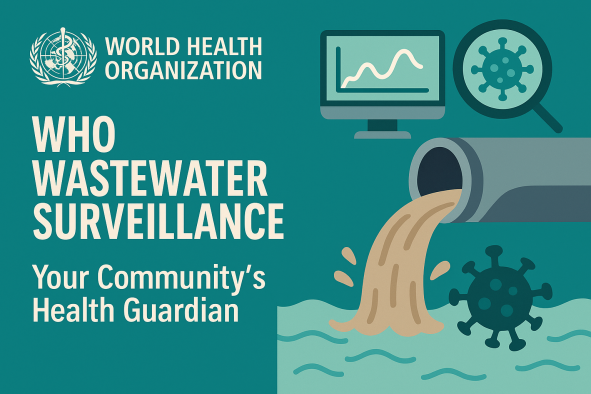
⮚ Scientists have found that (2)_________ of the infected people shed the virus in their waste even without symptoms. The method (3)_________ by over 50 countries helps detect (4)_________ circulation intensity weeks before clinical cases appear.
⮚ The dashboard (5)_________ viral circulation intensity in communities, helping health officials make better decisions quickly. This technology picks up virus signals 1-4 weeks before hospitals see more patients, giving communities (6)_________ time to prepare.
❖ Join countries worldwide in supporting this life-saving surveillance system. Together, we can stay one step ahead of COVID-19!
❖ Contact your local health department today to learn more about wastewater monitoring in your area.
https://data.who.int/tc
Question 1:A. whom B. which C. whose D. who
Question 2:A. any B. most C. lot D. each
Question 3:A. have used B. using C. which used D. used
Question 4:A. viral B. medical C. global D. serious
Question 5:A. keeps up with B. looks out for C. keeps track of D. takes care of
Question 6:A. value B. valuable C. valuably D. valuer
Read of the following leaflet and mark the letter A, B, C or D on your answer sheet to indicate the option that best fits each of the numbered blanks from 7 to 12.
FLOATING HOMES: YOUR FUTURE ON WATER
A Smart Solution for Rising Sea Levels
⮚ Rising sea levels threatening your home? Discover the innovative solution! More countries are getting (7)_________ board with floating homes as a practical response to climate change.
⮚ (8)_________ floating homes seemed strange before, they're now becoming popular worldwide. These (9)_________ let you adapt to rising waters safely.
❖ Key Benefits:
✔ Rise and fall with water levels
✔ Let families (10)_________ put instead of relocating
✔ Protect against floods
⮚ Some worry about this (11)_________ living situation, but (12)_________ are already enjoying water-based living. The UN and architects recognize floating cities as practical solutions for our future.
❖ Ready to Float?
✔ Contact your local planning department today about floating home opportunities.
✔ Float with change, not sink beneath it.
❖ Info: www.floatingfuture.org
https://www.asce.org/tc
Question 7:A. on B. for C. of D. to
Question 8:A. Although B. Until C. Moreover D. Unless
Question 9:A. modern houses floating B. floating houses modern
C. houses modern floating D. modern floating houses
Question 10:A. remain B. keep C. stay D. be
Question 11:A. unusual B. different C. nontraditional D. alternative
Question 12:A. another B. others C. other D. the others
Mark the letter A, B, C or D on your answer sheet to indicate the best arrangement of utterances or sentences to make a meaningful exchange or text in each of the following questions from 13 to 17.
Question 13:
a. Tom: Yes! I water my "garden" every day. I read one page, watch one video, and talk to one person.
b. Anna: Tom, I learn English from books, videos, and friends. It's like growing a garden!
c. Anna: That's smart! Small steps make big trees. My knowledge garden is growing too!
A. b-c-a B. c-a-b C. a-b-c D. b-a-c
Question 14:
a. Lisa: Our office has big windows, and I feel happy when the sun comes in.
b. Mike: That’s wonderful! Maybe I should suggest that to my boss, too. We have plants instead. I like them on my desk because they make the air fresh, but I sometimes forget to water them.
c. Lisa: Oh, plants are great too! Actually, when we laugh together at lunch, the afternoon work becomes easier because we feel good!
d. Mike: I know what you mean! We have a coffee corner where people talk, and it helps us become friends, not just workers. Do you have something similar?
e. Lisa: Yes, we do. We have a small break area where people chat during lunch, and it really helps everyone feel more connected.
A. a-b-c-d-e B. e-a-b-d-c C. a-b-e-c-d D. c-d-a-e-b
Question 15:
Dear Emma,
a. If you want to join this field, I can help you because my company is hiring people who care about the Earth.
b. I'm excited because I got a green job that protects our planet and pays better than my old office work.
c. My manager says that green jobs will double by 2025 because governments support companies that fight climate change every day.
d. I install wind turbines where people need clean energy, and I love it when customers thank me for helping nature.
e. Although I needed training before starting, the company paid for everything because they want more workers in renewable energy jobs.
Love,
TC
A. d-a-c-b-e B. b-d-e-c-a C. c-b-e-d-a D. d-c-b-e-a
Question 16:
a. Second, break big projects into small parts that are easier to complete, so you won't feel scared when time is short.
b. First, make a to-do list because it shows what is important, and you can finish urgent tasks before other work.
c. When deadlines come close, people feel stressed, but there are simple strategies that help us work better and stay calm.
d. If you follow these strategies, deadlines become less scary because you control your time, and work gets done without panic.
e. Third, turn off your phone while you work because messages disturb concentration, and you lose time when checking social media.
A. e-b-a-c-d B. b-c-e-a-d C. c-b-a-e-d D. a-e-c-b-d
Question 17:
a. If you want better job opportunities, learn to analyze information because employers need people who turn data into useful ideas.
b. The future belongs to workers who understand trends and make good decisions, while those without insights will struggle to compete.
c. Smart businesses study data because it tells them what people want, so they can create products that customers will buy.
d. Today, companies succeed when they understand customers' needs, and workers who have good insights earn more money than before.
e. Although machines do many jobs now, humans are valuable when they understand problems and find solutions that computers cannot see.
A. d-a-c-e-b B. d-a-c-b-e C. d-e-b-a-c D. d-c-e-a-b
Read the following passage about Right to Disconnect Initiative and mark the letter A, B, C or D on your answer sheet to indicate the option that best fits each of the numbered blanks from 18 to 22.
Remote work has changed how people think about their jobs. Today, employees must answer work messages at any time; as a result, the line between work hours and personal time has become unclear and difficult. What many companies do not understand, (18)_________. The European Parliament's proposal, which was accepted in January 2021, tries to fix this problem by creating rules to protect workers. Many people in the business world worry about the costs, but research shows that tired employees work less efficiently and make more mistakes. If governments had made clear rules earlier, (19)_________.
Should the European Union pass this new law in all member states, employees would finally have legal protection to refuse work messages outside normal hours. Companies that respect employee rest time report higher productivity and better satisfaction; (20)_________. Countries like France and Spain have already created successful rules about disconnecting from work; thus, other nations can learn from their experience. The European Commission started discussions with business leaders and worker groups to develop guidelines (21)_________. When technology brings people together, we must remember that people still need real breaks and time for families. A better work-life balance will create a healthier future for all employees across Europe. This Right to Disconnect initiative shows that protecting workers' well-being is important for society. Many young workers especially support this change (22)_________. This landmark initiative represents a crucial step toward creating healthier, more equitable digital workplaces throughout Europe.
https://www.europarl.europa.eu/tc
Question 18:
A. moreover, be why staff desire stops in order maintain capable plus fit
B. therefore, was what employees want breaks so remain efficient plus strong
C. although, are how people require pauses for being effective or well
D. however, is that workers need rest to stay productive and healthy
Question 19:
A. many workers would have had better mental health and less stress
B. those staff who might gain ideal mood states with fewer burdens
C. such people whose personal wellness might improve with reduced tension
D. some people having reached optimal emotional balance plus decreased anxiety
Question 20:
A. however, it may impose short-term costs on firms despite benefiting workers
B. actually, the evidence suggests the gains are concentrated among higher-skilled workers
C. therefore, this is ultimately good for both workers and businesses alike
D. moreover, the benefits may accrue unevenly across sectors rather than broadly
Question 21:
A. will destroy traditional industries and eliminate millions of factory jobs
B. that cover privacy, monitoring, and working conditions for remote work settings
C. which eliminated many factory jobs and increased unemployment rates dramatically
D. profits declined sharply after cutting wages and eliminating all benefits
Question 22:
A. because they value their personal time more than previous generations did
B. because they can stay productive without losing hours each day to commuting
C. because many employers have expanded remote options to cut operating costs
D. because digital collaboration tools now make working from anywhere much easier
Read the following passage about AI AND GRIEF and mark the letter A, B, C or D on your answer sheet to indicate the best answer to each of the following questions from 23 to 30.
Artificial intelligence is creating a new way for people to interact with memories of their dead loved ones. This process, called "digital resurrection," uses AI tools to make photos move or create videos of deceased family members. A famous example is Alexis Ohanian, who used AI to animate a childhood photo of his late mother. Some people think this technology helps them keep memories alive and feel connected to those who have died. However, many experts worry about serious problems this technology may cause to our minds and emotions.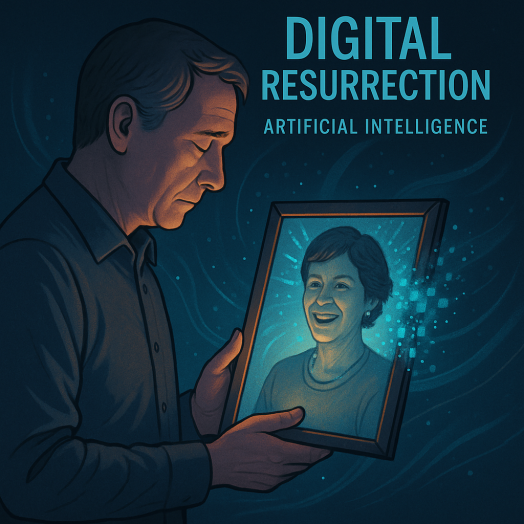
Supporters believe digital resurrection can bring comfort and help people accept death. But psychologists have different opinions. They are concerned that AI-generated videos and images could change how we remember real events. Upon exposure to these fabricated animations, our authentic recollections might be eroded and supplanted by synthetic ones. Another major problem is that talking to digital versions of dead people might stop us from accepting death naturally. People may avoid the difficult process of dealing with loss because they can continue false conversations.
More serious issues involve business and ethics. As digital remains like photos and videos increase, companies may want to make money from grief. Many questions arise: Who gets money from these services? Do people agree to have their images used? Could the technology be misused? These concerns show that grief and memory risk becoming products to buy and sell.
In conclusion, digital resurrection brings both hope and danger. While it may offer short-term comfort, we must think carefully about its effects on our emotions and society. We need to decide if these tools really help us or just delay accepting that people die. Understanding these questions will help us use technology wisely.
https://time.com/mk
Question 23: According to the passage, which of the following is NOT mentioned as a concern?
A. The technology could lead to legal liability and criminal penalties for creators of deepfakes.
B. The technology could erode authentic memories and replace them with synthetic recollections.
C. The technology could prevent people from naturally accepting death and processing grief.
D. Companies could profit from grief without proper consent or oversight regarding image usage.
Question 24: The word “animate” in paragraph 1 is OPPOSITE in meaning to _________.
A. enhance B. develop C. create D. immobilize
Question 25: The word “supplanted” in paragraph 2 could be best replaced by _________.
A. preserved B. enhanced C. replaced D. retained
Question 26: The word “their” in paragraph 3 refers to _________.
A. people B. companies C. services D. technology
Question 27: Which of the following best paraphrases the underlined sentence in paragraph 4?